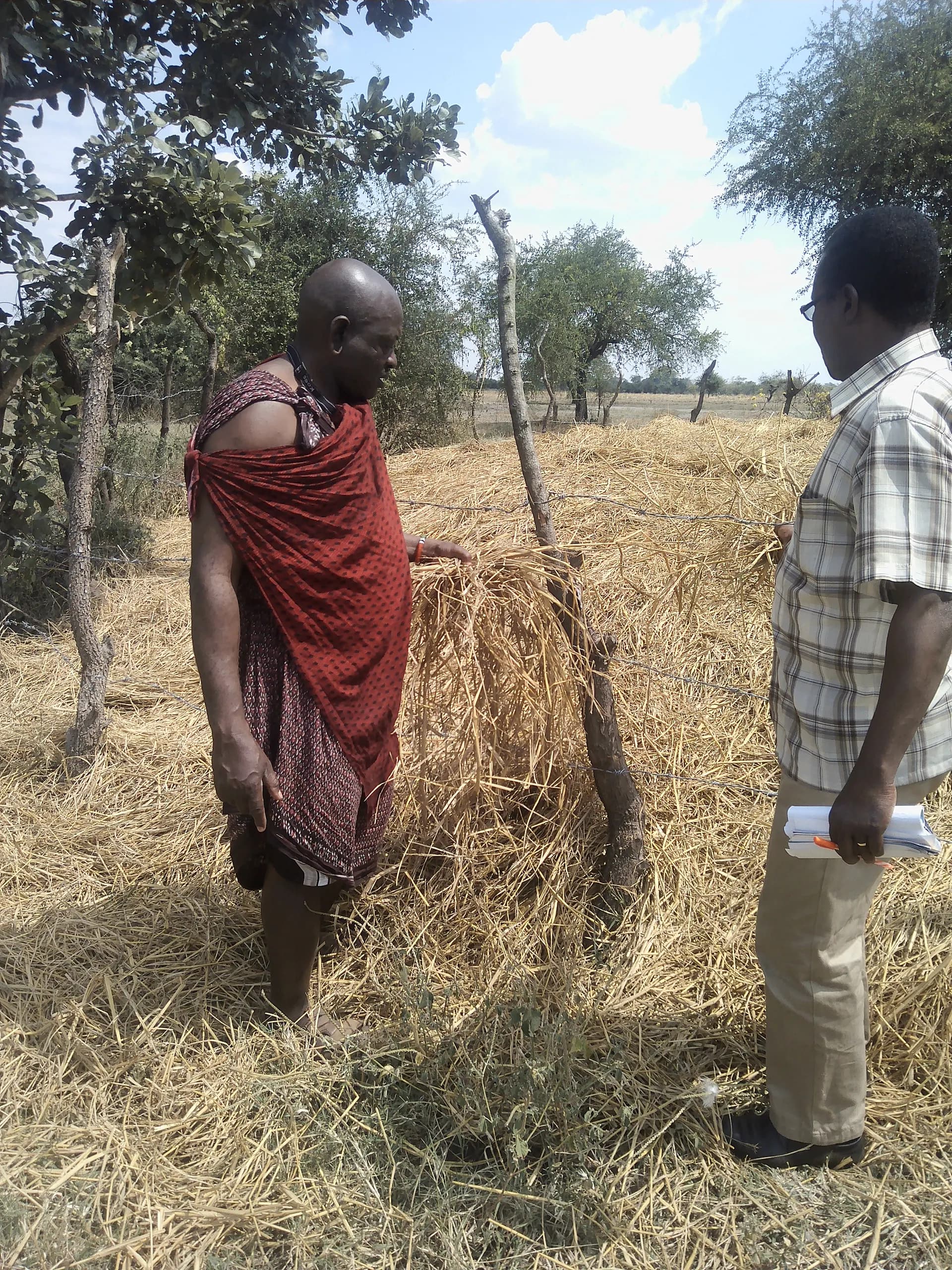
Modern livestock keeping: a path to peace and prosperity
When pastoralists adopt modern ways to feed and manage cattle, herds get healthier and conflict over farmland falls. A look at the change underway.
Traditional open grazing means constantly moving cattle in search of pasture — often straight through cultivated land. It is one of the biggest triggers of farmer–pastoralist conflict in rural Tanzania.
Through education and demonstration, TISER has helped pastoralists adopt modern husbandry: cut-and-carry feeding, improved pasture, and keeping smaller, healthier herds rather than large numbers of weak animals.
The results speak for themselves. Animals are better fed and more valuable, families earn more from fewer cattle, and the pressure to graze on neighbouring farms drops dramatically — easing the tension that once defined the relationship between the two communities.
Prosperity and peace, it turns out, grow from the same root.
Recent articles
 Peace Building
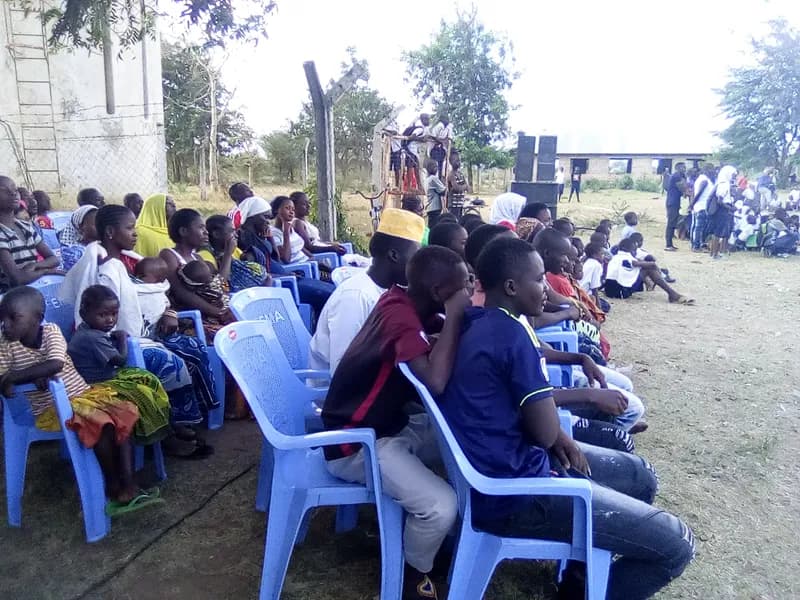
TISER CUP: building peace through football
A community football tournament that turned rivals into teammates — and brought farmers, pastoralists and young people together around peace.
Read more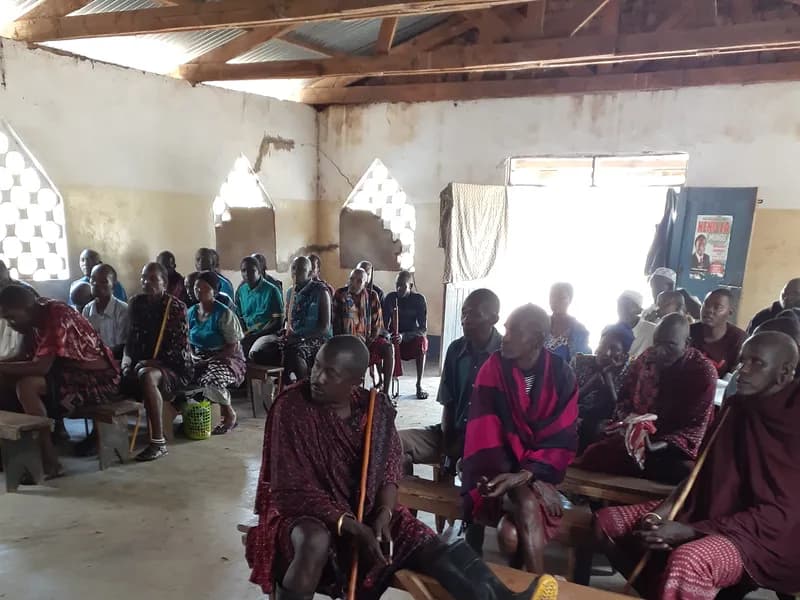 Peace Building
How dialogue ended years of conflict in Kambala
Awareness meetings between farmers and pastoralists in Kambala village turned long-running tension into cooperation. Here is how it happened.
Read more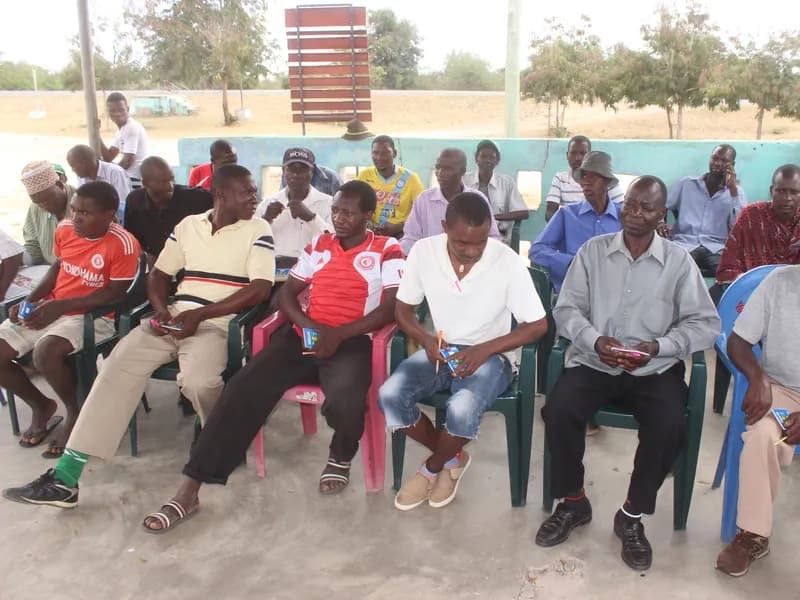 Community
Inside a peace-building cluster meeting
Cluster meetings bring whole communities together to solve shared problems. We sat in on one to see how consensus is actually built.
Read more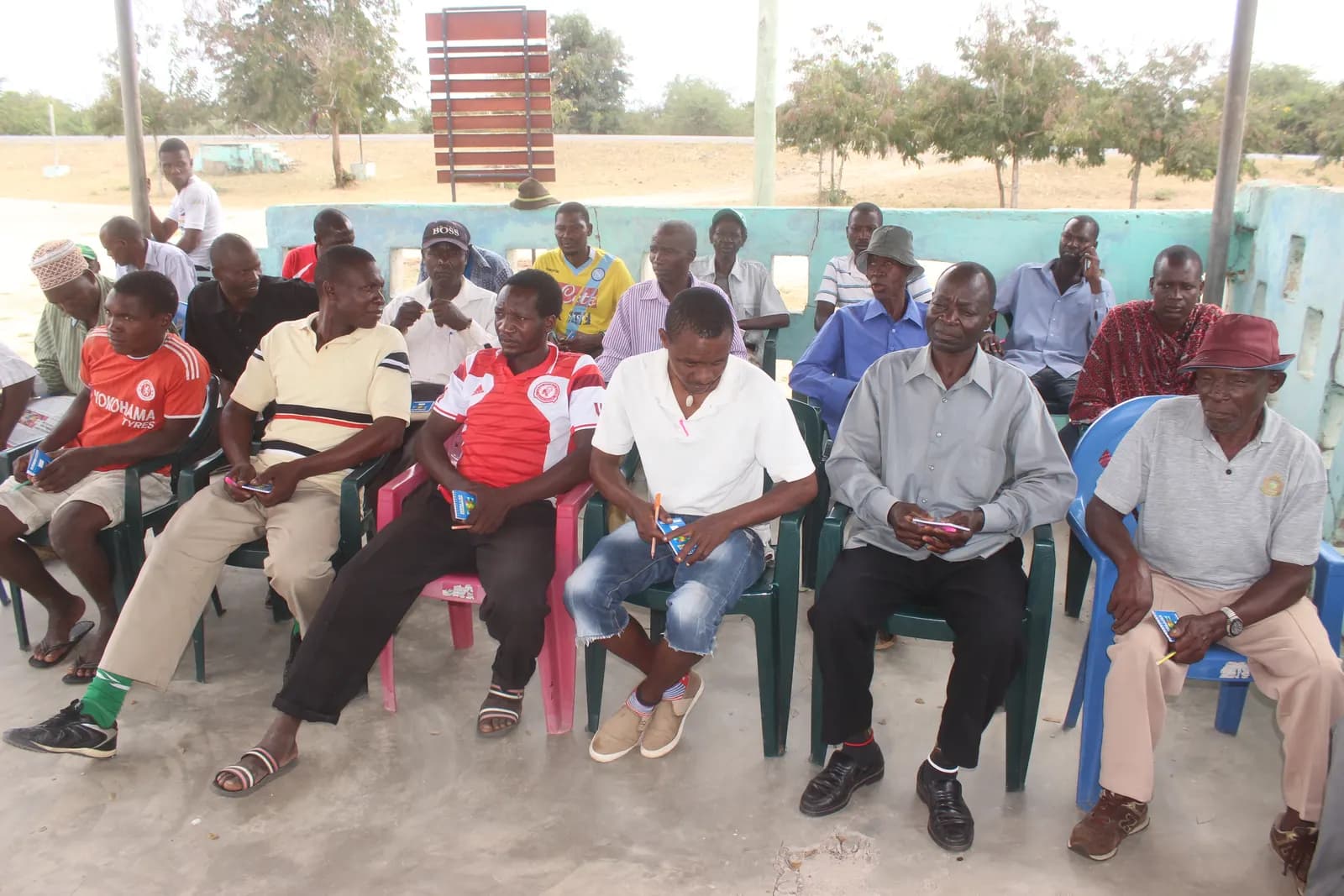
Help us build a more peaceful, prosperous Tanzania
Partner, fund or volunteer with TISER and bring lasting change to the communities that need it most.