How dialogue ended years of conflict in Kambala
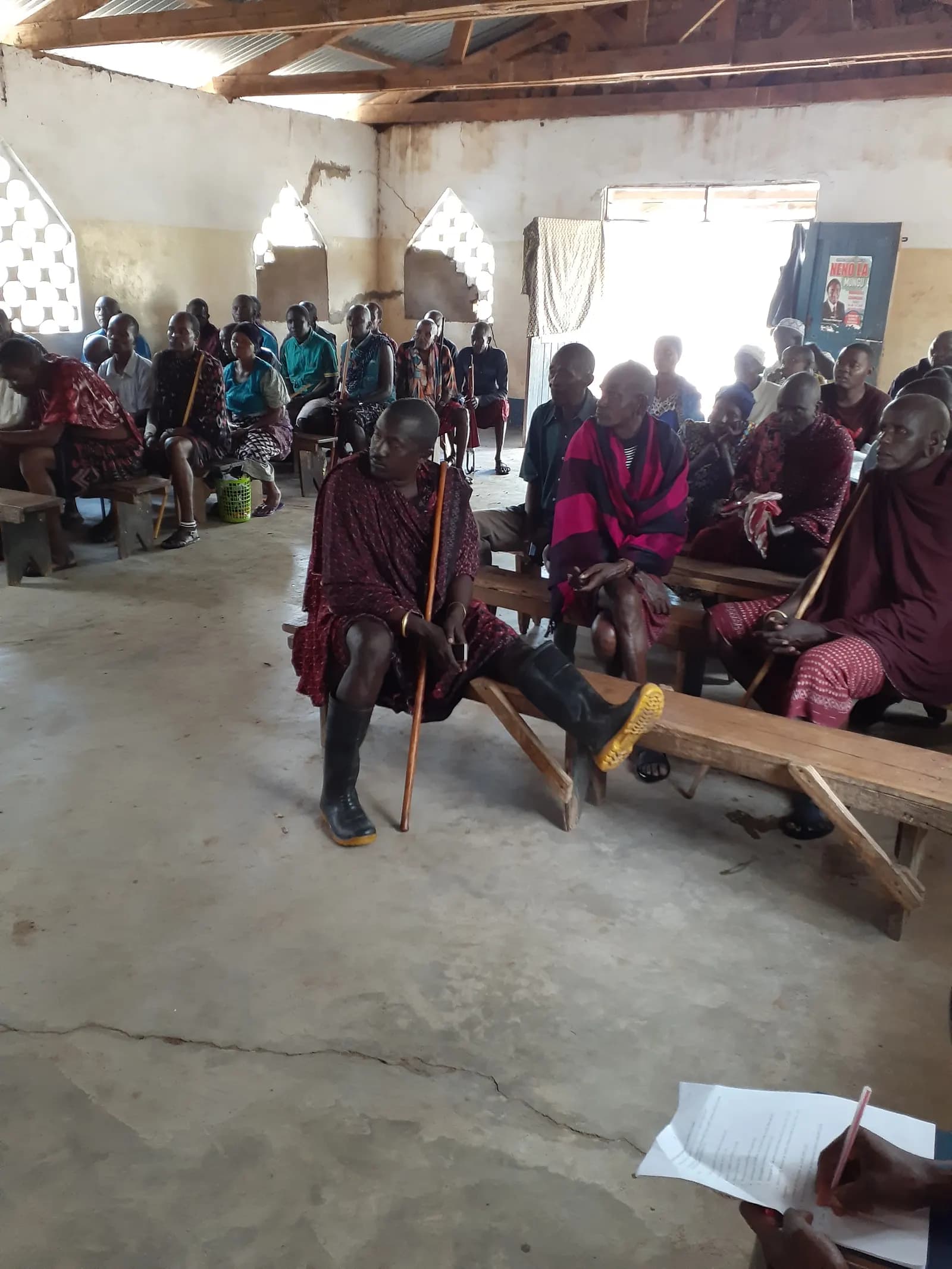
Awareness meetings between farmers and pastoralists in Kambala village turned long-running tension into cooperation. Here is how it happened.
For years, the relationship between crop farmers and livestock keepers in Kambala village was defined by suspicion. Cattle straying into farms during the dry season sparked disputes that sometimes turned violent, and trust between the two communities had all but disappeared.
TISER's peace-building team began by simply listening. Through a series of awareness meetings, farmers and pastoralists were brought to the same table — many for the first time — to name the problems in their own words and to hear the pressures the other side was living with.
Those conversations surfaced practical solutions the communities designed themselves: agreed grazing corridors, a shared seasonal calendar, and a local committee to resolve incidents before they escalated. Education on modern, settled livestock-keeping gave pastoralists alternatives that reduced the need to move herds through farmland.
Today, conflict reports in the area have fallen sharply, and the two groups increasingly see one another as neighbours with a shared interest in a stable, productive village. The Kambala model is now being adapted for other communities across Morogoro Region.
Recent articles
 Peace Building
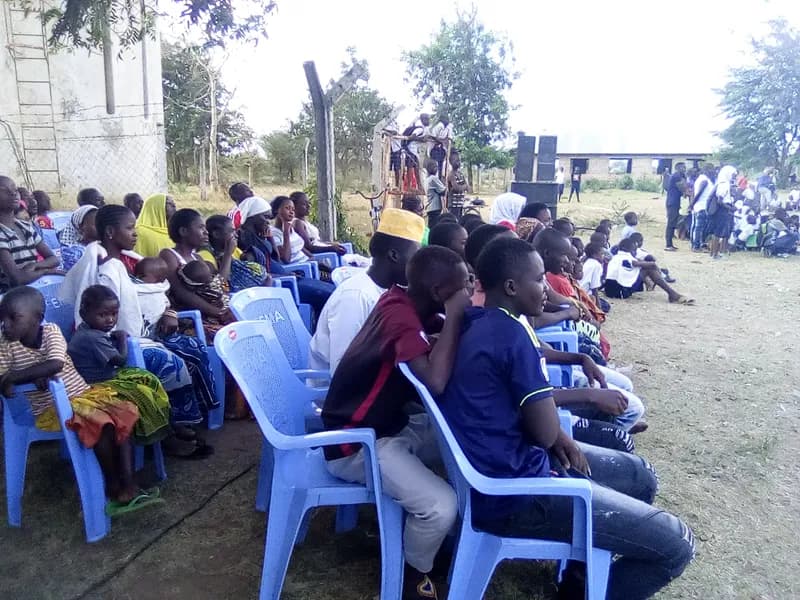
TISER CUP: building peace through football
A community football tournament that turned rivals into teammates — and brought farmers, pastoralists and young people together around peace.
Read more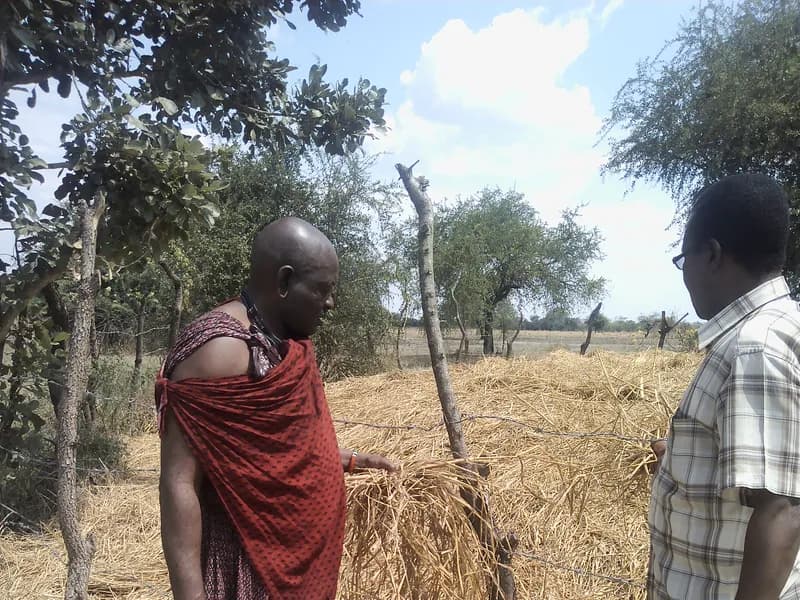 Livelihoods
Modern livestock keeping: a path to peace and prosperity
When pastoralists adopt modern ways to feed and manage cattle, herds get healthier and conflict over farmland falls. A look at the change underway.
Read more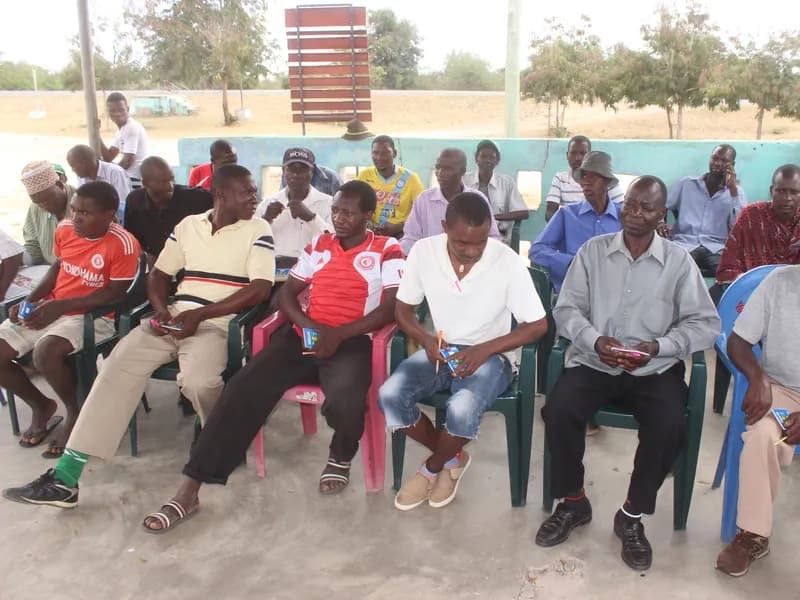 Community
Inside a peace-building cluster meeting
Cluster meetings bring whole communities together to solve shared problems. We sat in on one to see how consensus is actually built.
Read more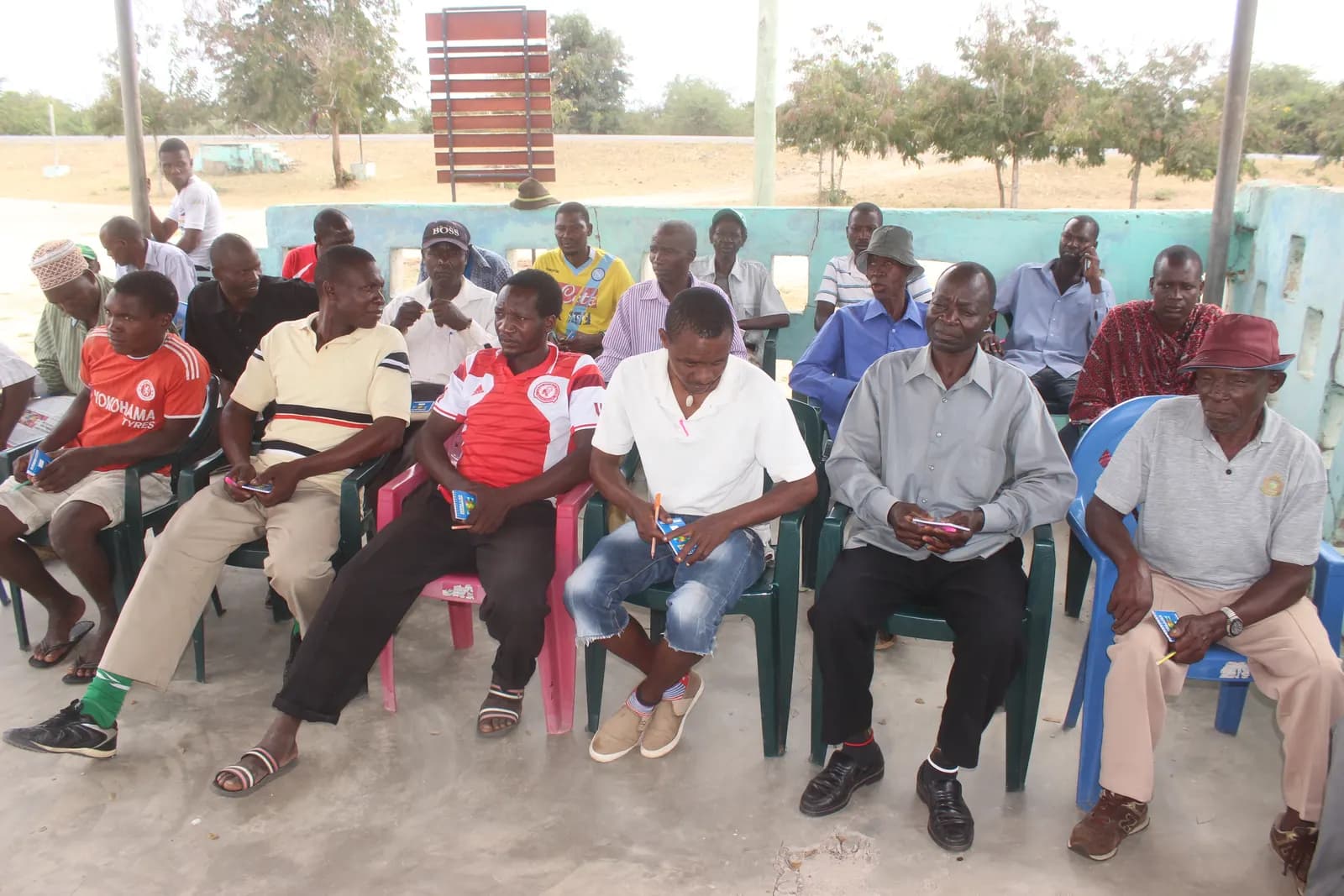
Help us build a more peaceful, prosperous Tanzania
Partner, fund or volunteer with TISER and bring lasting change to the communities that need it most.